Understanding Mold and Its Risks in Vancouver
Vancouver's coastal climate, characterized by high humidity and frequent rainfall, creates an environment conducive to mold growth in homes and businesses. As a result, mold has become a prevalent issue, particularly in older buildings that may not have adequate ventilation or moisture control. Recognizing the risks associated with mold is essential for homeowners and property managers alike, as the consequences can extend beyond unsightly stains and unpleasant odors. Effective Mold Remediation Vancouver services can help safeguard your property and health.
What Causes Mold Growth in Coastal Areas?
Mold thrives in environments where moisture is abundant, and Vancouver's weather provides ideal conditions for its proliferation. Key factors contributing to mold growth include:
- High Humidity: Consistently high humidity levels can lead to condensation on surfaces, providing moisture for mold spores.
- Water Intrusion: Leaky roofs, faulty plumbing, and poor drainage systems can introduce water into buildings, creating a breeding ground for mold.
- Poor Ventilation: Buildings that lack proper airflow can trap moisture inside, increasing humidity and fostering mold development.
- Temperature Fluctuations: Warm, humid conditions facilitate mold growth, particularly in poorly insulated spaces.
Health Risks Associated with Mold Exposure
Mold exposure can lead to various health problems, particularly for individuals with respiratory issues, allergies, or weakened immune systems. Common health risks include:
- Allergic Reactions: Symptoms such as sneezing, runny nose, and skin rashes can arise from exposure to mold spores.
- Respiratory Issues: Mold can exacerbate asthma and lead to chronic respiratory conditions, especially in sensitive populations.
- Mycotoxin Effects: Some molds produce toxins that can cause more severe health problems, including neurological issues and immune suppression.
Signs You Need Professional Mold Remediation
As a homeowner, being vigilant about the signs of mold can help you catch the problem early. Look for:
- Visible Mold Growth: Dark spots on walls, ceilings, or floors are often clear indicators of mold.
- Musty Odors: Persistent, unpleasant smells can indicate hidden mold growth.
- Increased Allergy Symptoms: Unexplained allergies or respiratory issues among residents may signal a mold problem.
- Water Damage: Previous water leaks or spills can create conducive conditions for mold.
The Mold Remediation Process Explained
Initial Inspection and Moisture Assessment
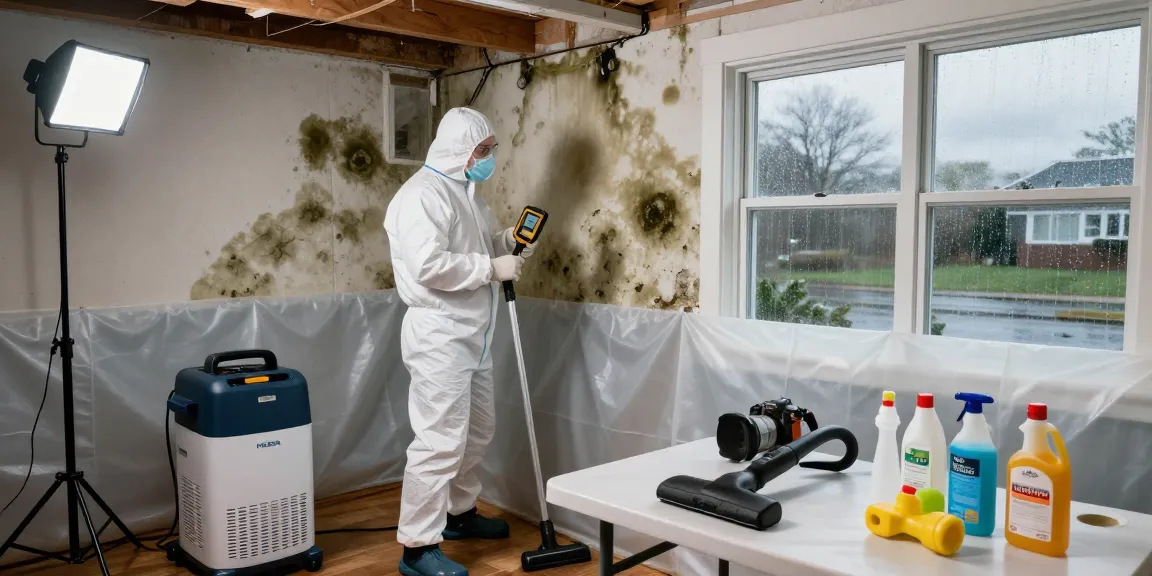
The first step in mold remediation is to conduct a thorough inspection of the property. This includes identifying visible mold, assessing moisture levels, and determining potential sources of water intrusion. An experienced team uses moisture meters and thermal imaging to detect hidden mold and moisture behind walls, under floors, and in other inaccessible areas.
Containment and Safety Protocols
To prevent mold spores from spreading during the remediation process, it is crucial to establish a containment zone. This may involve the use of plastic sheeting, negative air pressure machines, and other equipment designed to keep spores contained within the affected area. Additionally, the team will equip themselves with personal protective equipment (PPE) to ensure their safety while handling mold.
Steps for Effective Mold Removal
The following steps are essential for effective mold removal:
- Source Identification: Identifying and fixing the underlying moisture problem is critical to preventing future growth.
- Removal of Contaminated Materials: If materials such as drywall or carpeting are heavily infested, they may need to be removed and discarded.
- Cleaning and Sanitizing: Non-porous surfaces should be thoroughly cleaned and treated with antimicrobial solutions to eliminate mold spores.
- Air Filtration: HEPA filters and air scrubbers are utilized to capture mold spores from the air, improving indoor air quality.
- Post-Remediation Verification: Once the remediation is complete, a follow-up inspection ensures that the mold has been successfully removed and that moisture levels are within acceptable ranges.
Choosing the Right Mold Remediation Service
What to Look for in a Professional
When selecting a mold remediation service, consider the following factors to ensure effective results:
- Experience: Look for a company with a proven track record in mold remediation.
- Certification: Ensure the team is trained and certified by recognized organizations (e.g., IICRC).
- Comprehensive Services: A good service provider should offer a complete assessment, remediation, and prevention plan.
Understanding Certification and Accreditation
Certification and accreditation are essential indicators of a company's competency in mold remediation. Look for certifications such as IICRC (Institute of Inspection, Cleaning, and Restoration Certification), which ensures that technicians are trained in industry best practices.
Comparing Costs and Service Packages
Mold remediation costs can vary widely based on the extent of the problem and the size of the affected area. It's advisable to obtain quotes from multiple service providers and compare the services included in their packages to ensure you receive the best value.
Common Mistakes to Avoid During Mold Remediation
Relying Solely on DIY Solutions
While DIY solutions may seem cost-effective, they often fail to address the root cause of the mold problem and can lead to more extensive damage. Professional mold remediation ensures a comprehensive approach tailored to your specific situation.
Neglecting Mold Source Investigation
Merely cleaning visible mold without investigating the source of moisture is a common mistake. Mold will inevitably return if the underlying issue is not addressed, making professional inspection and remediation crucial.
Ignoring Post-Remediation Testing
After mold remediation, it is vital to conduct post-remediation testing to confirm that mold levels are safe. This step ensures peace of mind for homeowners and verifies the effectiveness of the remediation process.
Preventing Future Mold Issues in Your Home
Best Practices for Moisture Control
To prevent future mold growth, homeowners should implement moisture control strategies, such as:
- Using dehumidifiers to reduce humidity levels in moisture-prone areas.
- Ensuring proper ventilation in bathrooms and kitchens.
- Regularly inspecting and maintaining roofing and drainage systems.
- Controlling indoor humidity below 60%.
Maintaining Indoor Air Quality
Good indoor air quality is essential for preventing mold growth. Ensure that your HVAC system is well-maintained and consider using air purifiers equipped with HEPA filters to minimize the presence of mold spores.
Regular Home Inspections and Maintenance
Conducting regular home inspections can help identify moisture problems before they escalate into significant mold issues. Look for signs of water damage, leaks, and condensation, and address them promptly.
What should I do if I find mold in my home?
If you discover mold, it is crucial to contact a professional mold remediation service promptly. They can assess the situation and implement effective remediation strategies to ensure your home is safe.
Can I stay home during mold remediation?
While it may be possible to stay home during minor remediation efforts, it is generally advisable to vacate the premises, especially during extensive removals that involve significant disturbances to the structure.
How long does mold remediation take?
The duration of mold remediation depends on the extent of the infestation and the specific circumstances of the property. Minor remediation efforts can take a few days, while comprehensive projects may require a week or more.
What are the costs associated with mold remediation?
Mold remediation costs can vary significantly based on factors such as the size of the affected area, the severity of the mold problem, and the chosen remediation service. Homeowners can expect to pay anywhere from a few hundred to several thousand dollars.
How can I prevent mold from returning?
To prevent mold from returning, ensure that moisture sources are addressed, conduct regular inspections, and maintain healthy indoor humidity levels. Implementing effective ventilation and moisture control measures will significantly reduce the risk of future growth.