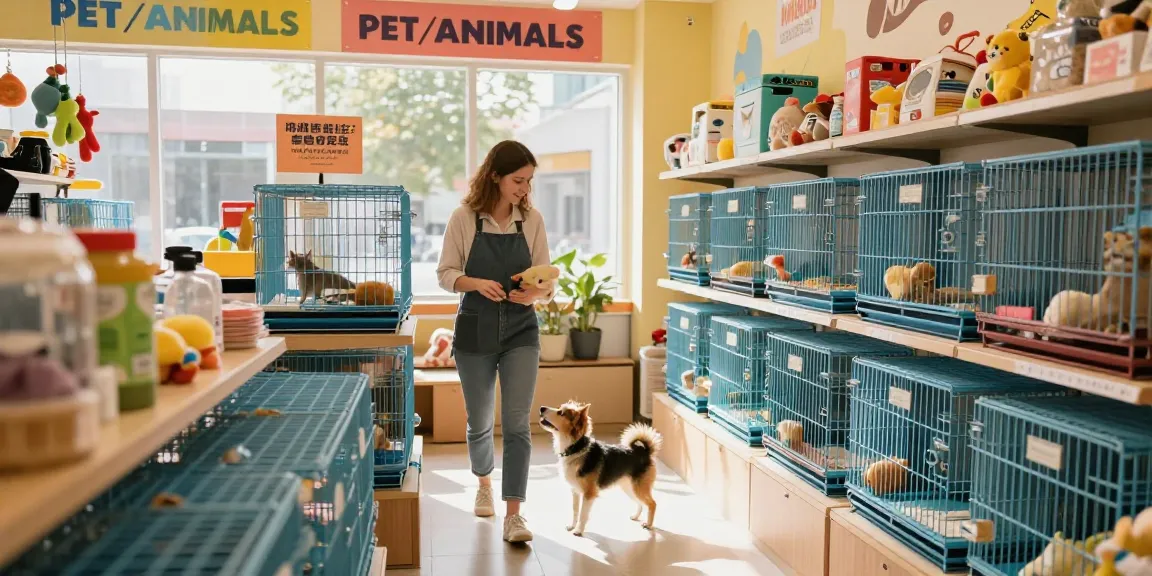
Understanding Pet Store Animal Cages
As an animal professional, whether you operate a pet store, grooming facility, or veterinary clinic, the significance of quality cages cannot be overstated. Pet Store Animal Cages not only serve a functional purpose in housing animals; they create a comforting and secure environment for pets, which is essential for their mental and physical well-being. In this comprehensive guide, we will explore the intricacies of pet store animal cages, discuss their benefits, and provide insights into selecting the right cages for different animals.
What Are Pet Store Animal Cages?
Pet store animal cages are specially designed enclosures that provide a safe and comfortable habitat for various types of animals, including dogs, cats, small mammals, and birds. These cages are crafted from durable, non-toxic materials and are designed to meet the specific needs of different species. The right cage not only ensures the safety of pets but also enhances their quality of life, allowing for proper ventilation, enough space to move, and secure locking mechanisms to prevent escapes.
Benefits of Quality Cages for Pets
Investing in high-quality cages offers numerous advantages:
- Safety: Durable construction and secure locks keep animals safe from potential harm.
- Comfort: Well-designed cages provide ample space and comfort features, allowing pets to rest and relax.
- Hygiene: Easy-to-clean surfaces help maintain cleanliness and reduce the risk of disease.
- Organization: Cages can help keep various animals organized by separating them based on their needs and behavior.
- Facilitate Care: Adequate cages make it easier for staff to provide care, monitor health, and conduct treatments.
Types of Pet Store Animal Cages
Dog Cages: Comfort and Safety
Dog cages are designed to provide a secure environment for canines of all sizes. They come in various styles, including:
- Wire Cages: These allow for superior ventilation and visibility, making them ideal for larger breeds.
- Softer Cages: Often preferred for smaller dogs, these can be made from durable fabric and are typically collapsible for easy storage and transport.
- Indoor Kennels: These provide dogs with a space to relax and retreat, simulating a den-like environment.
Cat Cages: Space and Enrichment
Cat cages often feature multiple levels and various enrichment options. Key considerations for cat cages include:
- Height: Cats need vertical space to climb, so multi-tiered designs are beneficial.
- Hiding Spaces: Incorporating hiding spots can help anxious cats feel secure.
- Interactive Features: Elements like scratching posts and play areas keep cats engaged and happy.
Small Animal Cages: Habitat and Needs
For small mammals such as rabbits, guinea pigs, and hamsters, cages should reflect their unique habitat requirements. Considerations include:
- Space: Small animals require space to run and explore; larger cages are often more beneficial.
- Ventilation: Proper airflow is crucial for small animals to prevent respiratory issues.
- Accessibility: Easy access for both feeding and cleaning is essential for maintaining hygiene.
Designing Your Pet Store with Cages in Mind
Maximizing Space with Modular Cage Solutions
Creating a functional and efficient layout for a pet store involves the strategic placement of cages. Modular cage systems are particularly advantageous as they allow for flexibility and customization. Utilizing various sizes and shapes can help you optimize limited space while maintaining an organized appearance. The modular design also enables easy rearrangement, accommodating changes in inventory or layout preferences.
Cage Placement for Safety and Convenience
It is crucial to place cages thoughtfully to ensure the safety of both animals and customers. Here are some tips for optimal cage placement:
- Accessibility: Ensure that cages are easily accessible for cleaning and customer interaction.
- Safety Zones: Create barriers between busy areas and more sensitive animals to reduce stress.
- Visibility: Ensure all cages are visible to promote customer interaction while providing a comfortable space for the pets.
Aesthetic Considerations for Modern Pet Stores
The visual appeal of your pet store can significantly impact customer experience. Consider the following design elements when setting up your cages:
- Color Schemes: Using neutral backgrounds or colors that complement the animals can create an inviting atmosphere.
- Lighting: Natural lighting or soft LED lighting enhances visibility while reducing stress for animals.
- Signage: Clear and appealing signage can help educate customers about the animals housed within each cage.
Maintenance and Care for Pet Store Animal Cages
Cleaning Best Practices for Hygiene
Maintaining clean cages is vital for the health of the animals and your staff. Here are some effective cleaning practices:
- Daily Spot Cleaning: Remove soiled bedding and waste daily to maintain hygiene and minimize odors.
- Deep Cleaning: Perform a deep clean weekly, using pet-safe disinfectants to eliminate harmful bacteria.
- Routine Checks: Regularly inspect cages for wear and tear, ensuring they remain safe and functional.
Regular Inspections: Ensuring Animal Safety
Regular inspections of cages are crucial to prevent accidents and ensure animal well-being. Check for:
- Structural Integrity: Look for signs of damage that could compromise safety.
- Lock Mechanisms: Ensure that all locks function properly to prevent escapes.
- Comfort Features: Regularly assess bedding, perches, and any enrichment items to ensure they remain effective.
Replacing and Upgrading Cages: When to Act
Knowing when to replace or upgrade cages can prevent potential issues. Consider the following:
- Damage: If a cage shows irreversible damage, it is time to replace it.
- Compliance: Ensure cages meet updated safety standards and regulations.
- Customer Needs: Upgrade based on changing trends and customer preferences for better functionality and appeal.
Future Trends in Pet Store Animal Cages
Innovative Cage Features for 2026
As technology advances, so do the features available in pet store animal cages. Innovations to expect include:
- Smart Cages: Cages equipped with sensors to monitor health metrics, such as temperature and humidity.
- Automated Feeding Systems: Designed to ensure pets receive appropriate feedings while minimizing caregiver workload.
- Interactive Displays: Cages with built-in screens that can showcase the animal's characteristics and care instructions.
Eco-Friendly Materials and Sustainability
With increased awareness of environmental issues, more manufacturers are focusing on eco-friendly materials for pet cages. Expect to see:
- Recyclable Materials: Cages made from recycled plastics and metals that lessen environmental impact.
- Sustainable Practices: Companies committing to sustainable manufacturing processes to reduce their carbon footprint.
Consumer Preferences: What Pet Owners Want
Understanding consumer preferences is essential for pet stores to stock the right cages. Key trends include:
- Transparency: Customers want assurance that products are made safely and ethically.
- Customizable Options: Buyers increasingly prefer cages that allow for personal customization to fit their pets' specific needs.
- Multi-Functionality: Cages that serve multiple purposes or can be easily modified for different animals are particularly appealing.
What features should I look for in a pet store animal cage?
When selecting a cage, look for features such as durability, size, ease of cleaning, and ventilation. Additionally, consider the specific needs of the animal that will reside in that cage.
Are there specific cages for different types of animals?
Yes, different types of animals have varying requirements. For example, cats benefit from vertical space, while small animals require suitable habitat setups that mimic their natural environment.
How can I maximize space in a pet store with cages?
Utilize modular cage systems that can be rearranged easily. This flexibility allows you to create an effective layout while optimizing the available space.
What are the cleaning and maintenance tips for cages?
Daily cleaning, regular deep cleaning, and thorough inspections are essential for maintaining hygiene and safety. Use pet-safe cleaning products to ensure the well-being of all animals.
What trends should I expect in pet cages for the future?
Expect to see advancements in smart technology, eco-friendly materials, and customization options that enhance the quality of life for pets while meeting consumer demands.