Understanding QR Codes: A Modern Necessity
In the rapidly evolving digital landscape, QR codes have emerged as a vital tool for businesses and individuals alike. Originally invented in 1994 to optimize inventory management, these square barcodes have transformed into essential conduits that facilitate seamless interactions between physical and digital realms. Today, QR codes are not only prevalent but also integral in a variety of applications, ranging from marketing campaigns to contactless interactions. As businesses navigate this transition towards digital engagement, the ability to Create QR Code has never been more accessible or crucial.
What is a QR Code and its History?
A QR code, or Quick Response code, is a two-dimensional barcode that can be scanned using a smartphone or dedicated reader to reveal encoded information. The technology was developed by Denso Wave, a subsidiary of Toyota, to improve the efficiency of tracking automotive parts in manufacturing. Since its inception, the application of QR codes has expanded exponentially, now being used in various fields such as retail, advertising, and event management. The versatility of QR codes allows them to store URLs, contact information, WiFi credentials, and even multimedia elements.
How QR Codes are Transforming Business Interactions
QR codes have revolutionized the way businesses interact with customers by bridging the gap between offline and online experiences. They provide instant access to digital content, allowing companies to engage users without the need for physical exchanges. For example, a restaurant can utilize QR codes on menus to give patrons access to their full offerings online, complete with images and nutritional information. This not only streamlines customer experience but also enhances operational efficiency, reducing the need for printed materials.
Key Advantages of Using QR Codes Today
The advantages of using QR codes are manifold. They are cost-effective, easy to create, and can be implemented across various platforms. Businesses benefit from enhanced visibility and engagement through:
- Contactless Interactions: As consumers increasingly prioritize convenience and safety, QR codes allow for touch-free transactions.
- Instant Access to Information: QR codes provide immediate access to detailed product information, promotional offers, and more, improving user engagement.
- Versatile Applications: From e-commerce to event ticketing, the potential uses for QR codes are virtually limitless.
Creating Your First QR Code with EZQR
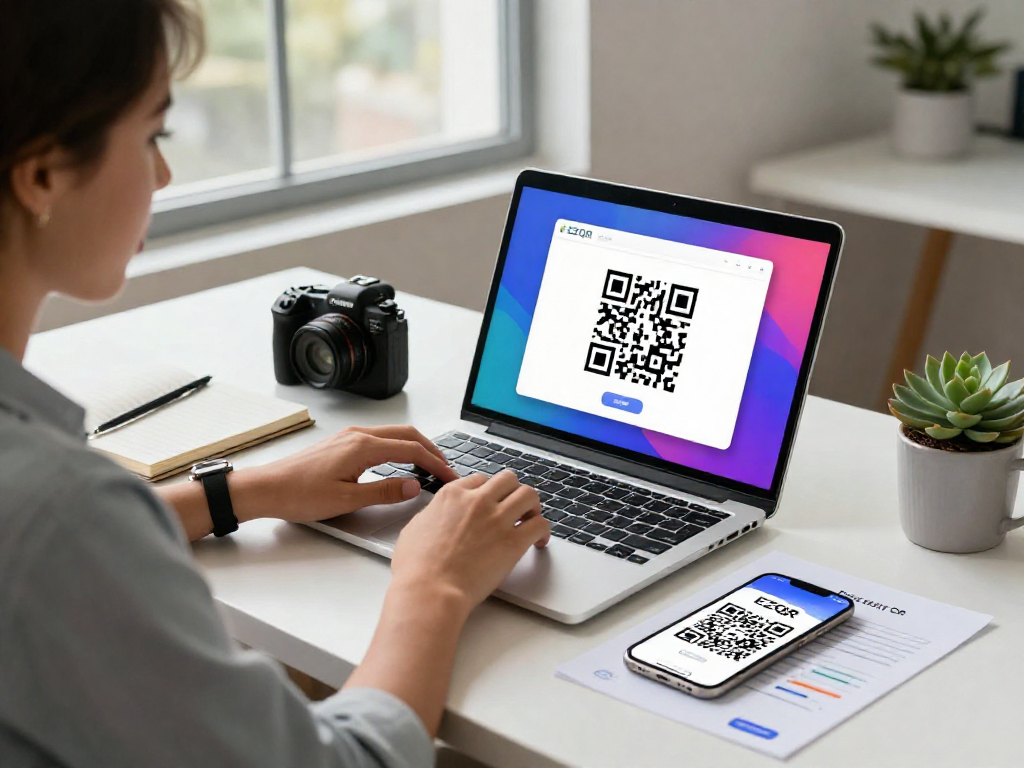
If you're looking to create your first QR code, you’re in luck—EZQR provides a simple and intuitive platform for generating QR codes that meet your specific needs. The process is streamlined, making it accessible for users of all technical backgrounds. You can easily create, customize, and even track your QR codes, empowering your marketing strategies and enhancing your customer interactions.
Step-by-Step Guide to Create QR Code for Free
Creating a QR code with EZQR is straightforward. Here’s a quick step-by-step guide:
- Visit the EZQR website at ezqr.ca.
- Input the link or information you wish to encode into the QR code in the designated field.
- Select any additional customization options to make the QR code align with your branding.
- Press the "Create QR Code" button.
- Download your generated QR code, which is ready for use.
Customizing Your QR Code: Design and Functionality
EZQR provides users with numerous customization options to ensure that QR codes not only perform well but also reflect brand identity. Some customization features include:
- Colors and Styles: Adjust the color palette and design style to match your brand aesthetics.
- Logo Insertion: Include your logo within the QR code for increased brand recognition.
- Dynamic QR Codes: Utilize dynamic QR codes to change the destination link without needing to reprint, allowing for flexible marketing campaigns.
Common Mistakes to Avoid When Generating QR Codes
While generating QR codes is generally easy, common pitfalls can lead to ineffective codes. To ensure optimal performance:
- Avoid overly complex URLs which might confuse users.
- Ensure the QR code is printed at a size large enough for scanning.
- Test the QR code across multiple devices before distribution.
Static vs. Dynamic QR Codes: What You Need to Know
A fundamental decision when creating a QR code is whether to choose a static or dynamic option. Each has its unique benefits and use cases, making it critical for businesses to understand the distinctions.
Understanding the Differences Between Static and Dynamic QR Codes
Static QR codes encode the information directly into the QR code itself, meaning that once they are generated, the content cannot be altered. In contrast, dynamic QR codes allow you to change the destination URL or information at any time without changing the QR code’s visual appearance. This is ideal for promotional materials where information might change frequently.
When to Use Static QR Codes
Static codes are excellent for situations where the information is unlikely to change, such as business cards, permanent signage, or printed menus. They are reliable and will continue to function as long as the encoded URL remains valid.
Benefits of Dynamic QR Codes for Your Business
Dynamic QR codes offer flexibility and powerful tracking capabilities, which are particularly useful for marketers. The ability to update the link post-printing means that businesses can adapt their campaigns quickly based on real-time analytics. Additionally, dynamic QR codes can track valuable data such as:
- Scan counts
- User geographic locations
- Device types used to scan
Tracking QR Code Performance: Metrics That Matter
To appreciate the effectiveness of your QR codes, it’s essential to track their performance. EZQR provides users with robust analytics tools to monitor engagement and adapt strategies accordingly.
How to Monitor Scans and User Engagement
Tracking metrics enables businesses to understand user engagement levels and campaign effectiveness. Key metrics to observe include:
- Total Scans: Measure the number of times your QR code has been scanned.
- Unique Scans: Track how many individual users have scanned your QR code.
- Location Data: Understand where your QR codes are being scanned, providing insight into demographic engagement.
Interpreting Analytics to Drive Marketing Strategy
Understanding the data collected from your QR code scans can inform crucial marketing decisions. For example, if scans are highest in a particular region, businesses can focus marketing efforts in that geographical area. Similarly, observing device types can help tailor the user experience based on the predominant platforms used by your audience.
Real-World Examples of QR Code Usage and Success
Businesses across various sectors have successfully implemented QR codes to enhance customer experiences. For instance:
- Restaurants: Many establishments have transitioned to digital menus accessible via QR codes, reducing contact while maintaining service quality.
- Retail: Shops use QR codes to link to online stores, facilitating easy purchasing for customers browsing in-store.
- Events: Event organizers utilize QR codes for ticketing, allowing quick access and streamlined check-in processes.
Future Trends: QR Codes in 2026 and Beyond
As technology continues to advance, QR codes are poised to become even more integral to business operations and customer engagement strategies. The following trends are anticipated to shape the future of QR codes.
Emerging Technologies Influencing QR Code Development
Technological advancements such as augmented reality (AR) and artificial intelligence (AI) are set to enhance the capabilities of QR codes. For example, businesses might integrate AR experiences that can be accessed through QR codes, creating interactive user engagement opportunities.
How Businesses Will Adapt QR Codes for Changing Markets
As consumer preferences shift, businesses will adapt their use of QR codes to meet evolving demands. This may include enhanced privacy measures and security protocols, especially as users become increasingly aware of data protection.
Preparing for the Next Wave of QR Code Innovations
To stay ahead, businesses should remain agile, continuously experimenting with QR code applications and remaining informed of the latest trends. This proactive approach will ensure they harness QR codes to their fullest potential, leading to improved customer interactions and ultimately increased conversions.
How do I make QR codes on ezqr.ca?
Creating QR codes on EZQR is simple. Just navigate to their site, enter your desired link, and click “Create QR Code.” This process is straightforward and does not require any special software or prior experience.
Can I change a QR code destination after printing?
Yes, with dynamic QR codes from EZQR, you can change the destination link even after the QR code has been printed. This flexibility ensures that your marketing material remains relevant and effective.
Are EZQR QR codes free forever?
Absolutely. EZQR offers static QR codes for free, without watermarks or hidden fees. These codes do not expire, making them an excellent choice for long-term branding strategies.